Capability guide
Trendtrack ecommerce analysis all in one tool, explained
Trendtrack ecommerce analysis all in one tool brings product, creative, and market research into one focused entry point. Use this guide to understand the workflow, what it covers, and where manual judgment still matters.

This entry point vs the general one
The ecommerce analysis path is best treated as a focused starting point, while the general Trendtrack experience is broader. These related pages add context around access, trust, and practical use.
The 3 things only it does
Start with a narrow ecommerce question, collect the relevant signals, and turn the result into a decision you can check later.
-
1
Frame the market question
Choose a product, category, audience, or competitor question instead of opening with a vague request for trends.
-
2
Inspect the connected signals
Review product and creative evidence together so the analysis is not based on a single ad, listing, or isolated idea.
-
3
Turn evidence into a next move
Record the strongest pattern, note uncertainty, and decide what deserves testing, sourcing, or deeper research.
How to start
Use the focused entry point when your question is commercial and specific. Use the general entry point when you are still exploring the problem itself.
- Ecommerce analysis entry point
- General Trendtrack entry point
Best starting question
Ecommerce analysis entry point
Which products, categories, or creatives deserve closer attention?
General Trendtrack entry point
What should I explore across the wider research workspace?
Primary context
Ecommerce analysis entry point
Products, stores, ads, categories, and market patterns
General Trendtrack entry point
Broader discovery across available Trendtrack research views
Research style
Ecommerce analysis entry point
Focused comparison and evidence gathering
General Trendtrack entry point
Open-ended exploration and orientation
Useful output
Ecommerce analysis entry point
A shortlist of signals to validate or test
General Trendtrack entry point
A wider set of ideas and directions for follow-up
Ideal user
Ecommerce analysis entry point
An ecommerce operator, marketer, or product researcher
General Trendtrack entry point
Anyone beginning with an undefined market question
First action
Ecommerce analysis entry point
Name the category, product, competitor, or creative angle
General Trendtrack entry point
Describe the topic and let the research direction take shape
Main risk
Ecommerce analysis entry point
Over-reading a signal without checking its context
General Trendtrack entry point
Spending time exploring without narrowing the decision
When to switch
Ecommerce analysis entry point
Move to the general view when the question becomes broader
General Trendtrack entry point
Move to ecommerce analysis when a commercial decision becomes clear
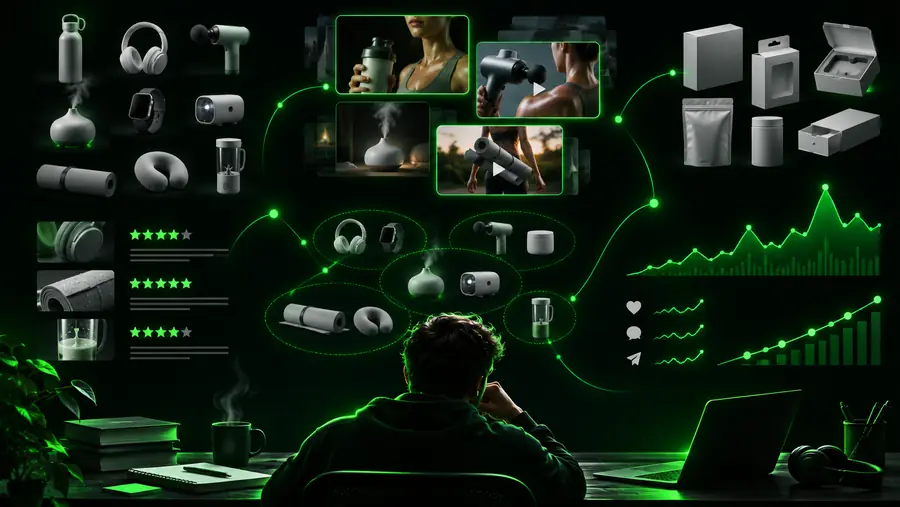 Starting question
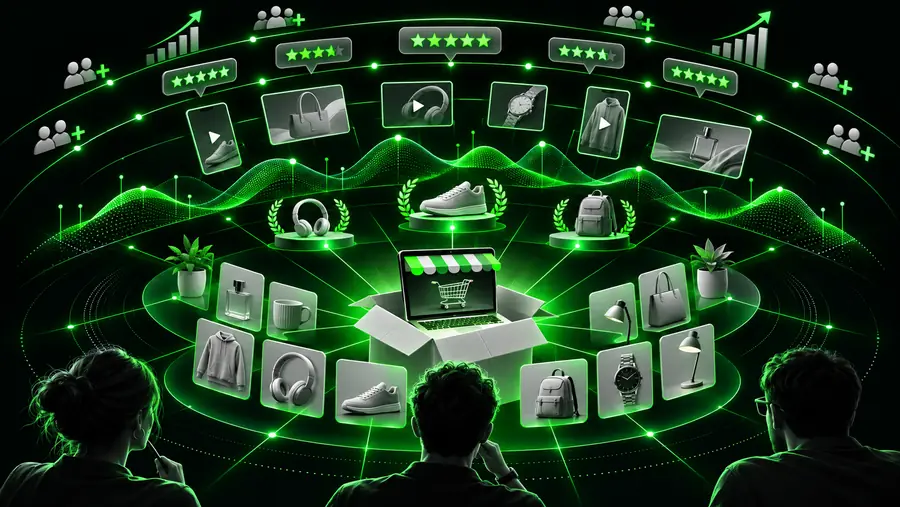 Organized decision view
Put your ecommerce question into context
Use Trendtrack when you want a more structured way to inspect products, creatives, and market direction. Bring a specific question, keep the evidence visible, and use the result as a research input rather than an automatic verdict.
Open Trendtrack- Start with one commercial question
- Compare signals before choosing a direction
- Keep judgment and validation in the workflow
Its own FAQ
These answers address the practical meaning of trendtrack ecommerce analysis all in one tool and how to approach it responsibly.
It is a focused way to use Trendtrack for ecommerce research questions involving products, categories, competitors, creatives, or market patterns. The all-in-one idea refers to bringing related signals into one research workflow, not removing the need for human validation.
Begin with one concrete question, such as which product angle deserves testing or which category is showing useful movement. Define the audience or market context, inspect the available evidence, and write down what would confirm or weaken your first interpretation.
It can help organize comparisons around products, stores, categories, advertising ideas, and visible market signals. The quality of the comparison depends on the context you provide and on checking whether the signals are current and relevant to your business.
No. Trendtrack can make research more organized and easier to review, but it should not be treated as proof that a product will sell or that a creative will perform. Validate promising findings with current market checks, customer evidence, and controlled testing.